
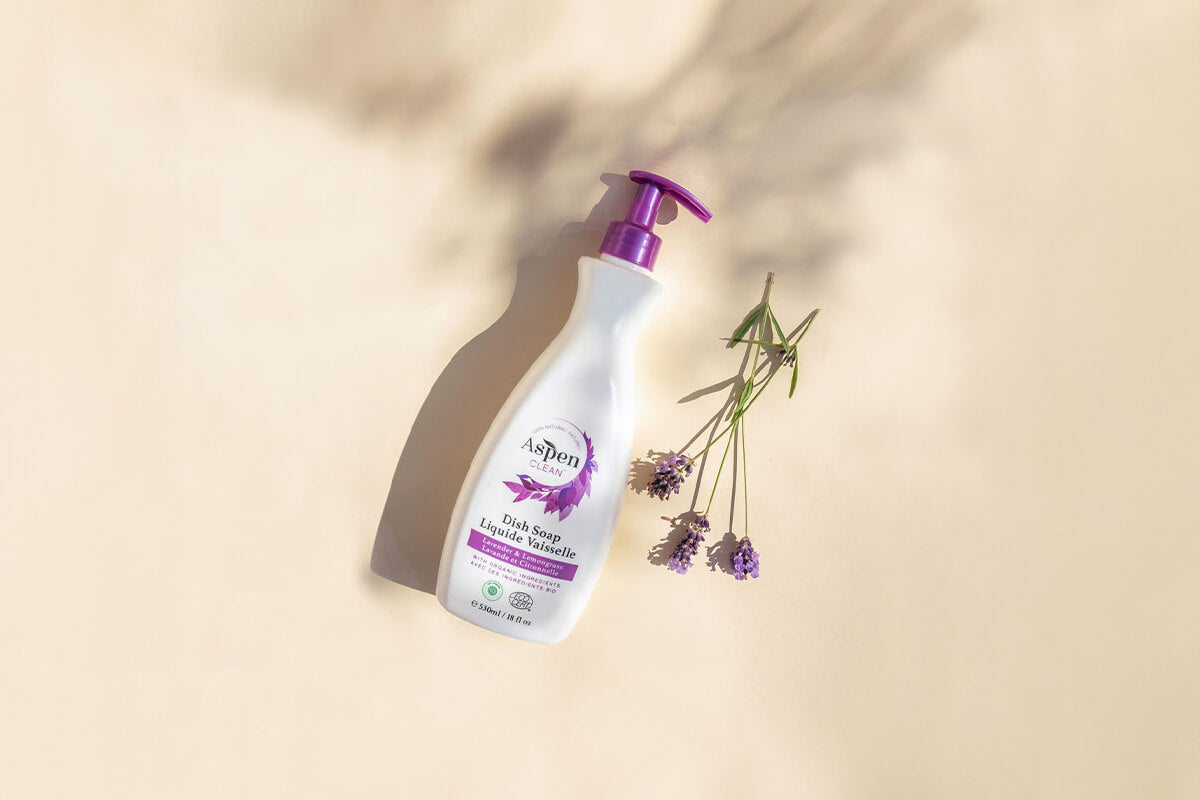
Natural Cleaners, Soaps and Laundry Detergents
View all-
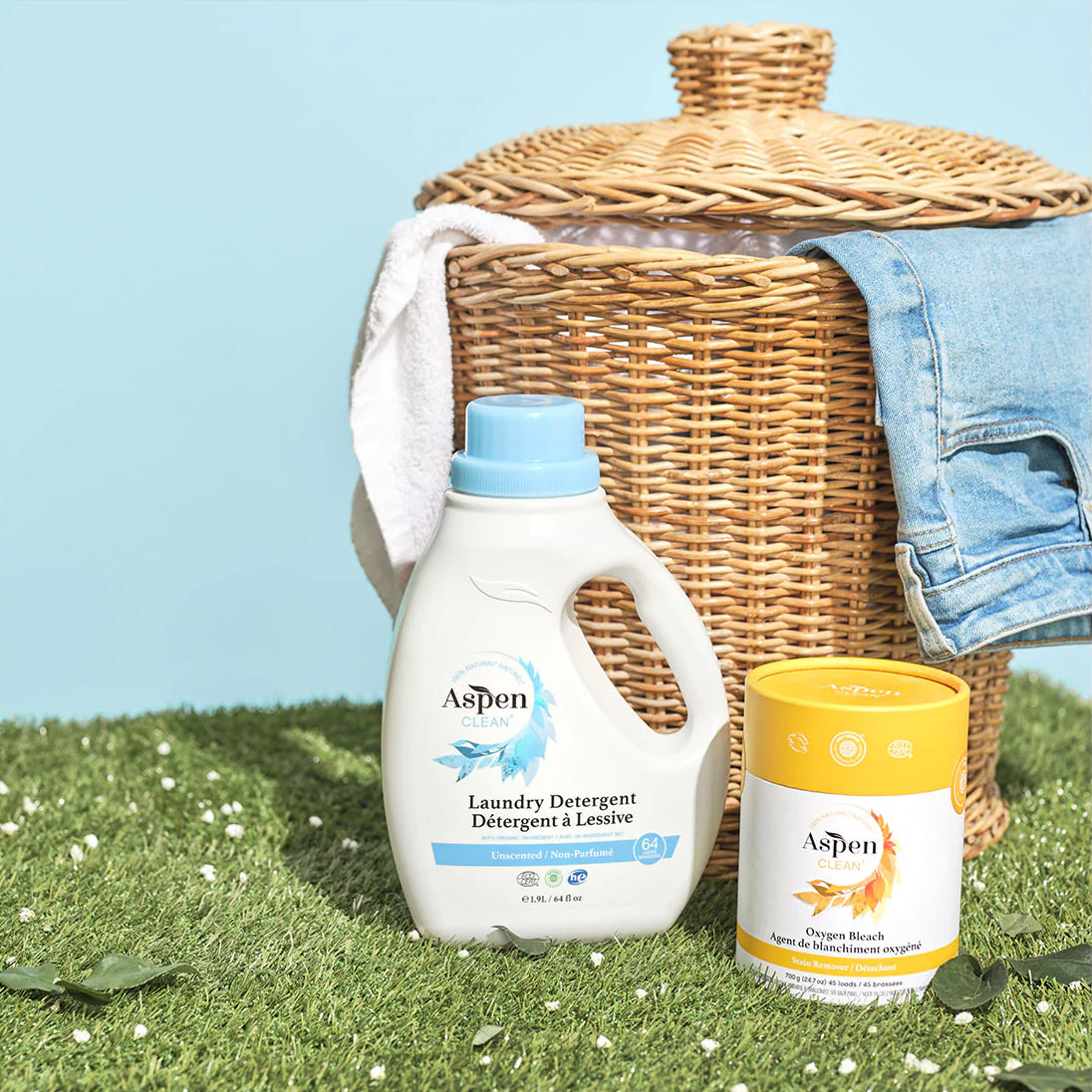
Best Eco-Friendly Laundry Detergent, Natural & Green
Best eco friendly ,natural laundry detergent, with organic scents, or no scent...
-
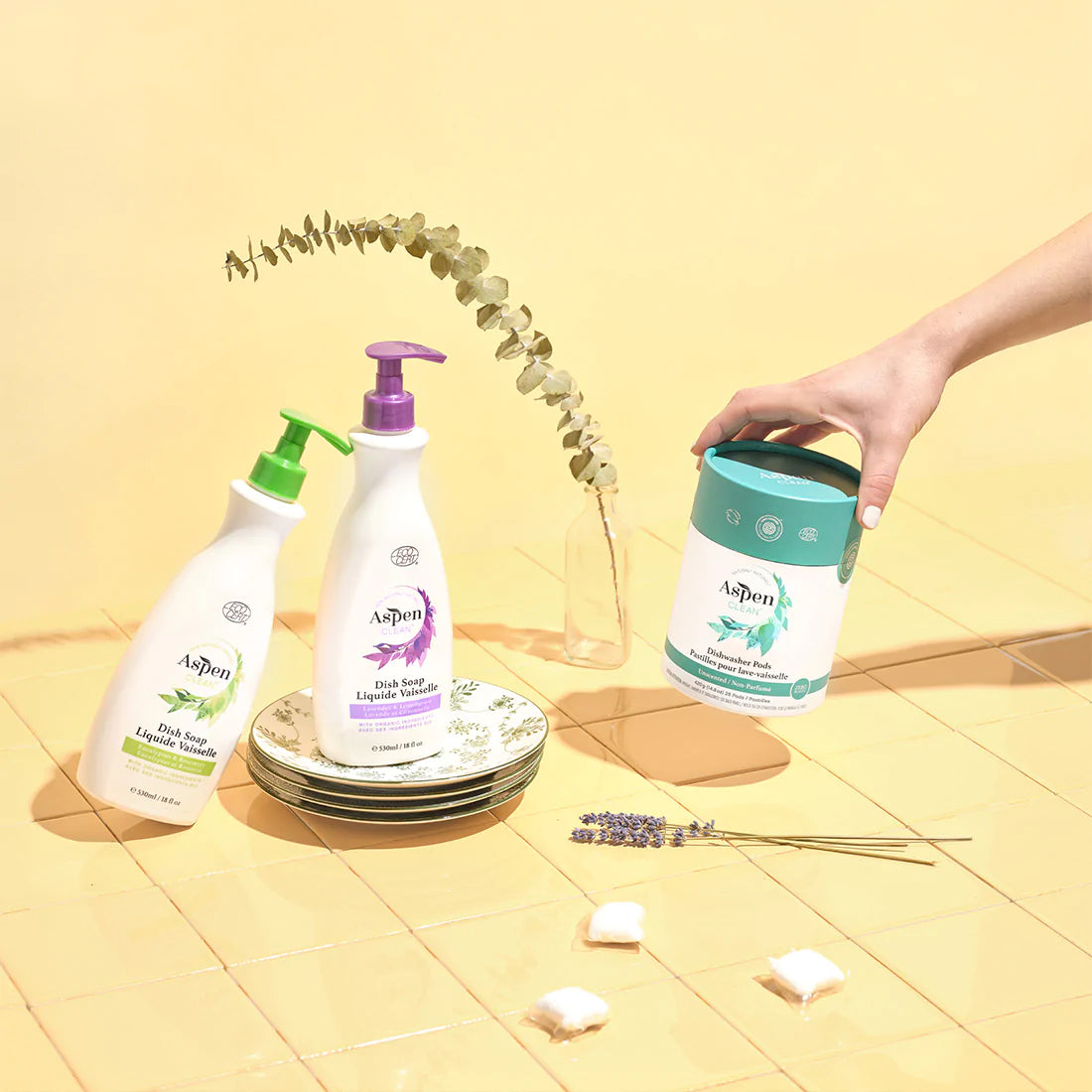
Eco-Friendly Natural Dish Soap & Pods
You’re going to put food on those dishes, so don’t you think...
-
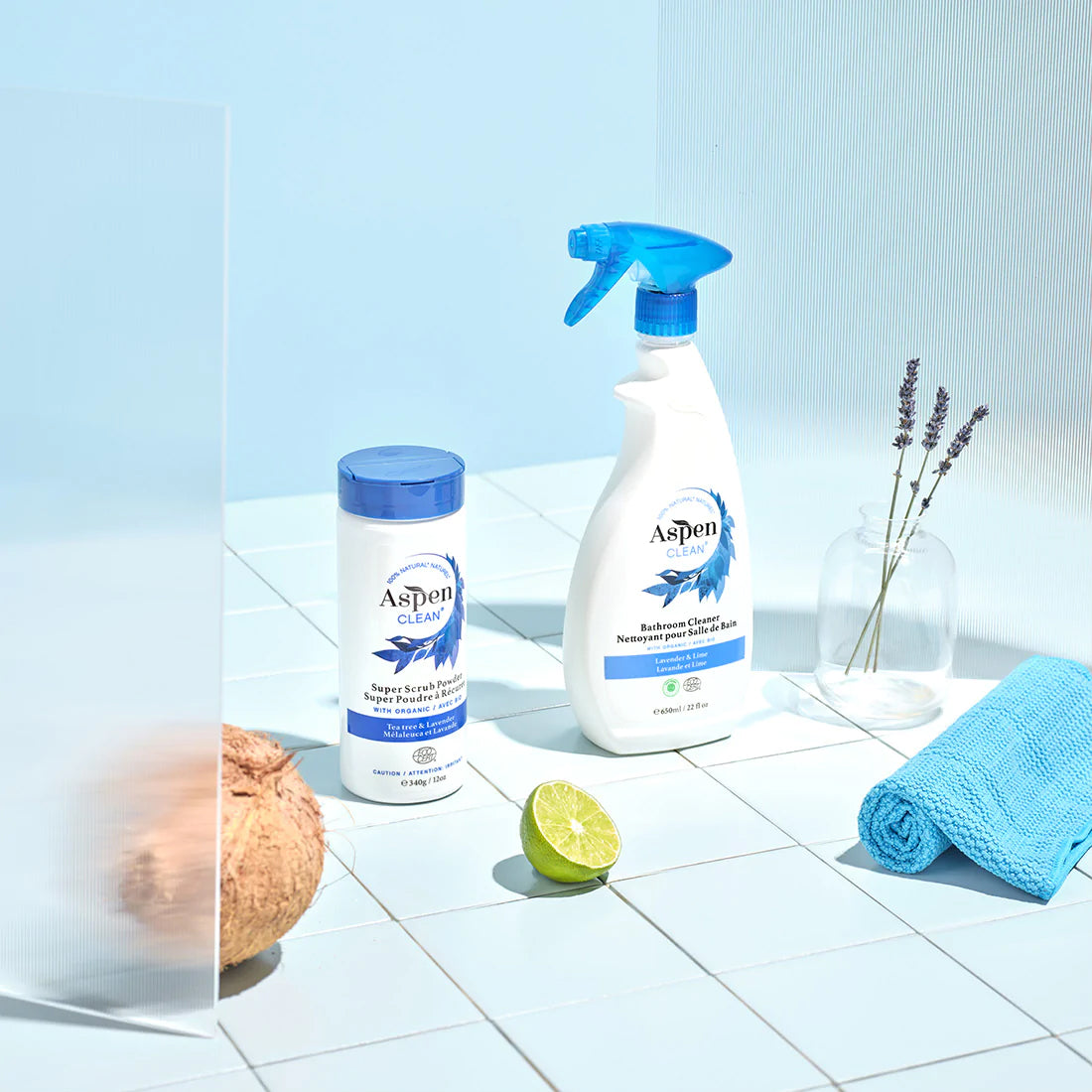
Natural Cleaning Kits
To help make adult life a little easier, we assembled a range...
-
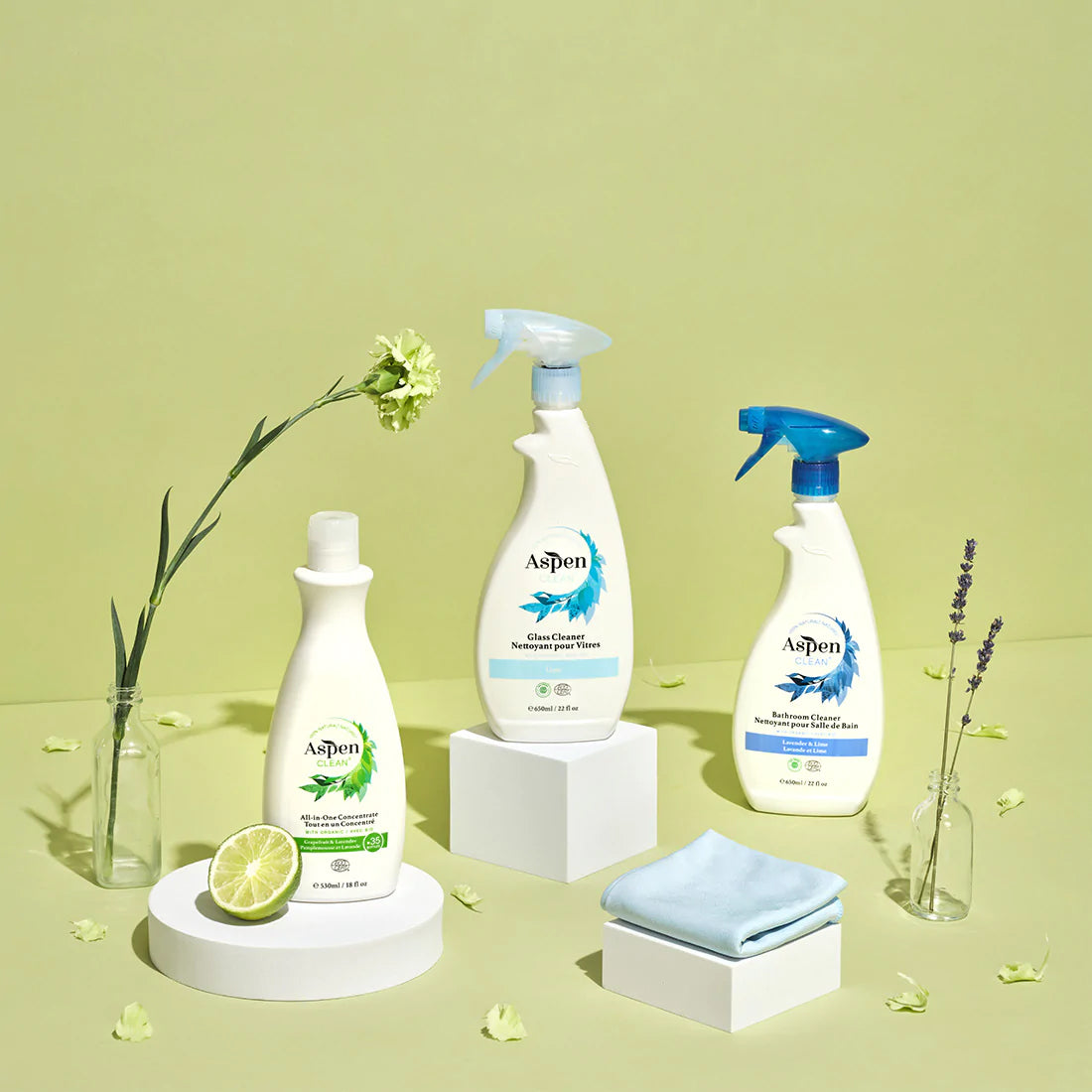
Natural Spray & Concentrate Cleaning Supplies
Take care of what you release into your air - Aspen Clean’s...
-
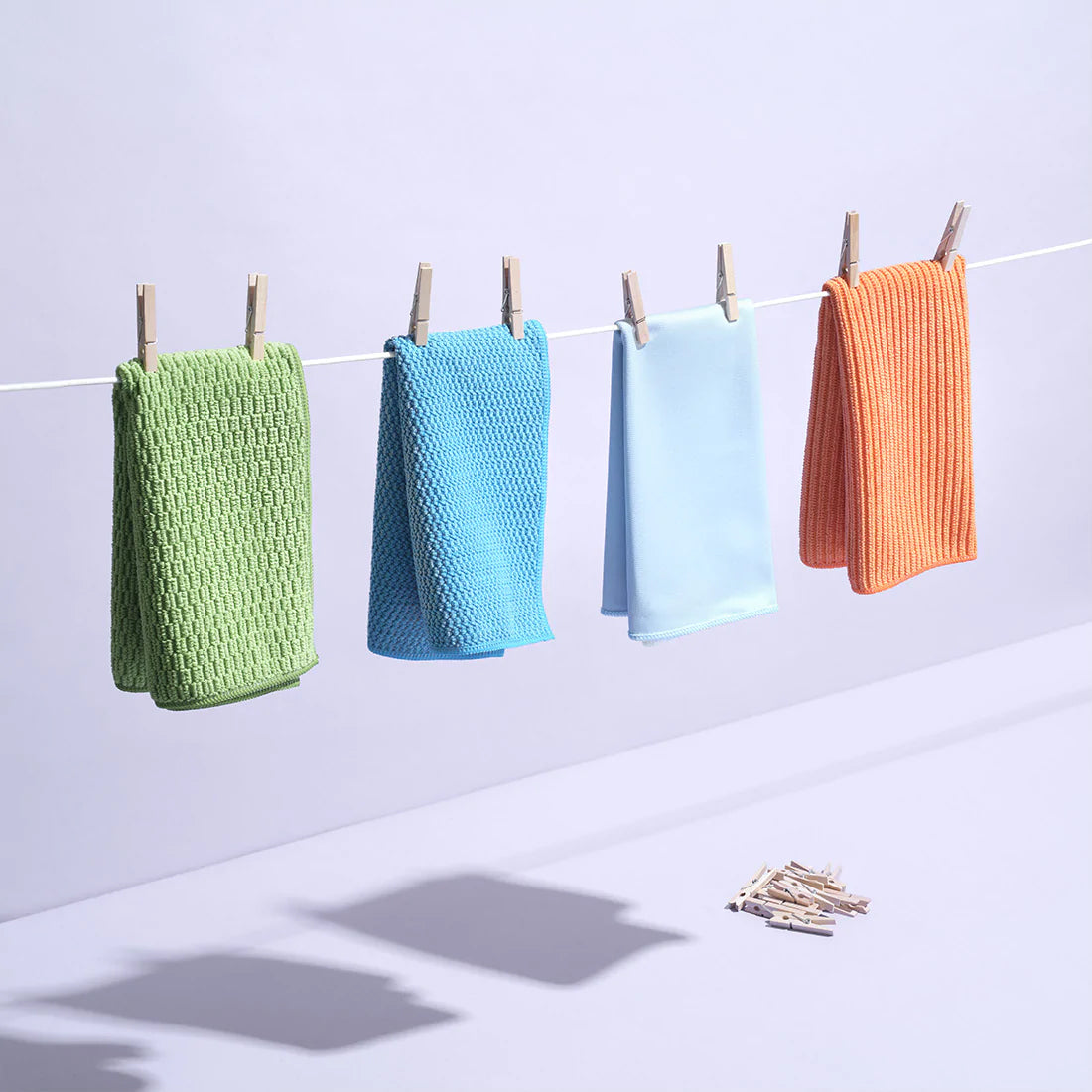
Best Eco-Friendly Microfiber Cleaning Cloths
Don’t just move dirt around - our microfiber cloths have been specifically...





Featured in



-
AspenClean Dishwasher Pods Eco-friendly, Natural. Non-toxic
Vendor:AspenCleanRegular price $18.99Regular priceUnit price per -
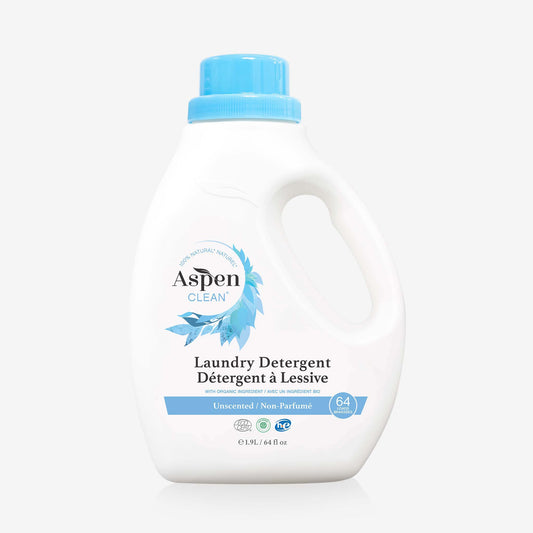
AspenClean Unscented Laundry Detergent Natural, Organic
Vendor:AspenCleanRegular price $28.99Regular priceUnit price per -
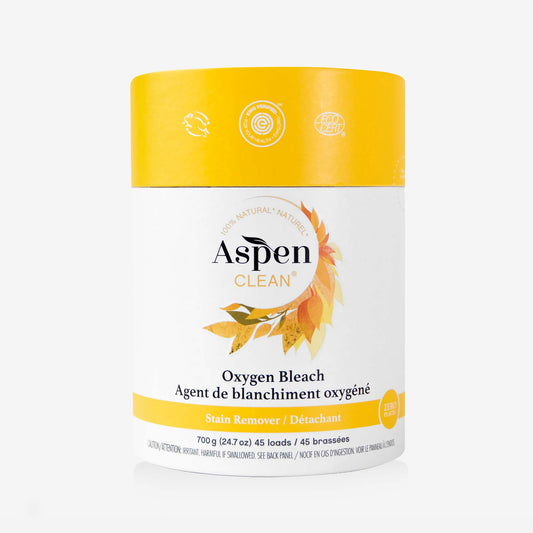
AspenClean Oxygen Bleach Powder and Stain Remover
Vendor:AspenCleanRegular price $18.99Regular priceUnit price per -
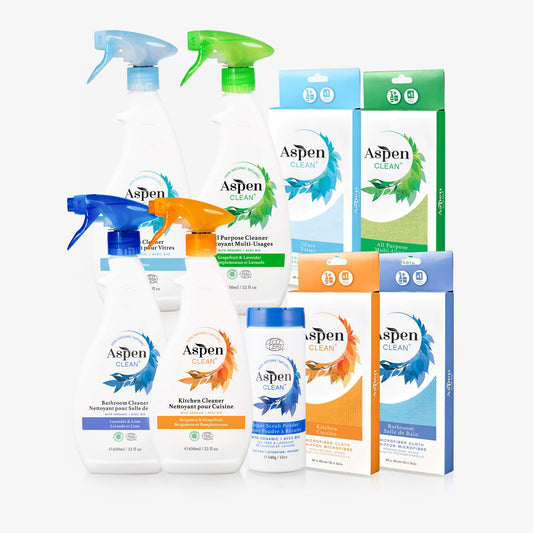
AspenClean House Cleaning Kit with Scouring Powder
Vendor:AspenCleanRegular price $78.99Regular priceUnit price per -
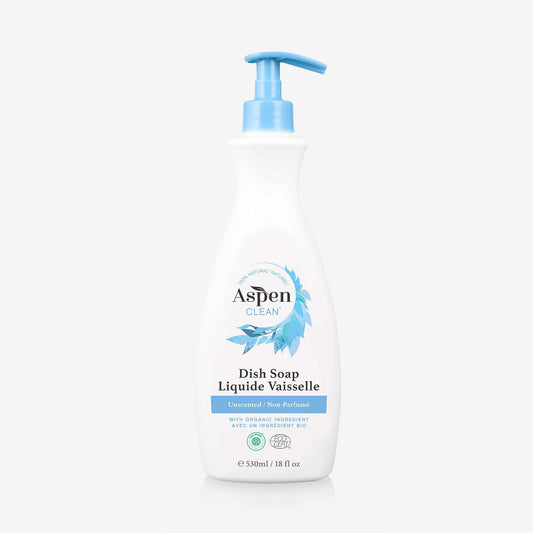
AspenClean Unscented Dish Soap Natural
Vendor:AspenCleanRegular price $11.99Regular priceUnit price per -
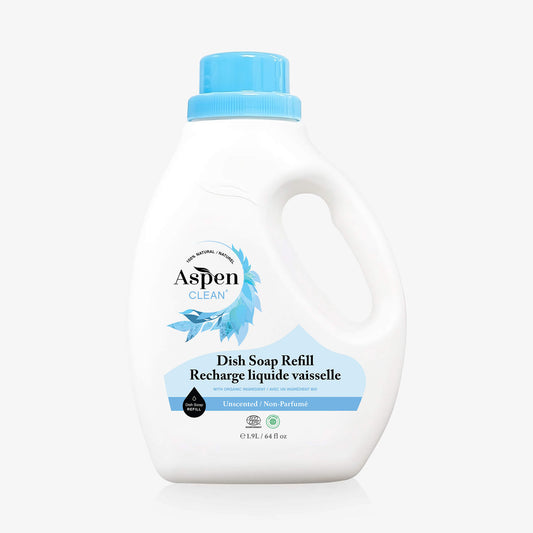
AspenClean Dish Soap Refill Unscented
Vendor:AspenCleanRegular price $29.99Regular priceUnit price per -
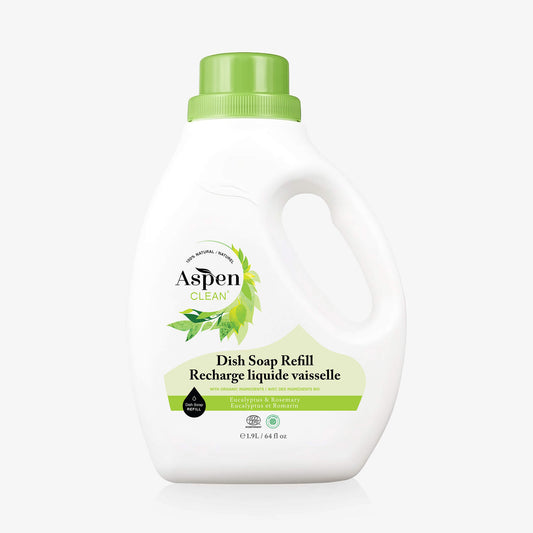
AspenClean Dish Soap Refill Eucalyptus
Vendor:AspenCleanRegular price $29.99Regular priceUnit price per -
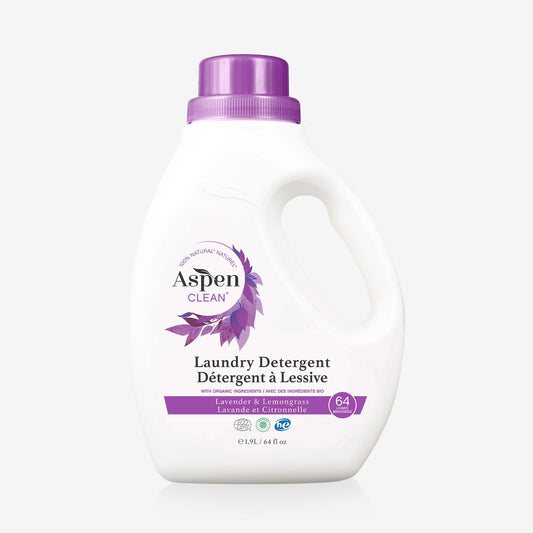
AspenClean Lavender Laundry Detergent Natural
Vendor:AspenCleanRegular price $28.99Regular priceUnit price per -
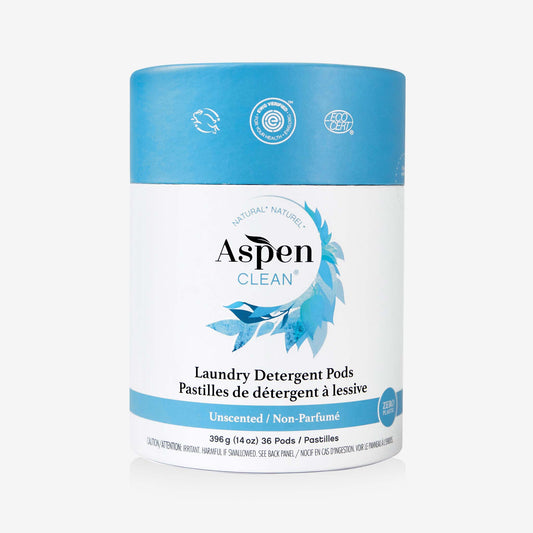
AspenClean Unscented Laundry Pods
Vendor:AspenCleanRegular price $18.99Regular priceUnit price per -
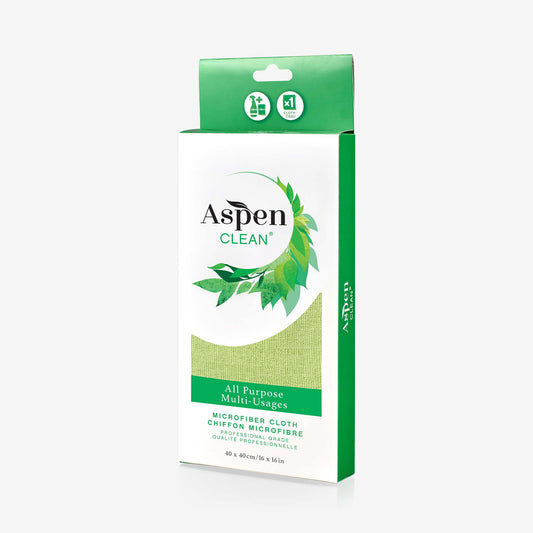
AspenClean All Purpose Microfiber Cloth
Vendor:AspenCleanRegular price $9.99Regular priceUnit price per
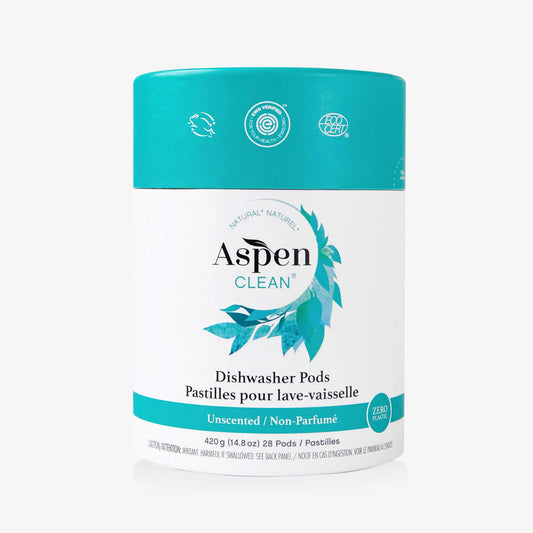

ECO-FRIENDLY CLEANING PRODUCTS
Safe for you and your family
At AspenClean, we take your safety and health seriously, and that's why our cleaning products are:
- 100% Eco-friendly
- Non-Toxic
- Made with Plant-Based Ingredients
- Hypoallergenic
- Free from carcinogenic ingredients
- Good for you and for the planet
We prioritize providing environmentally conscious and safe cleaning solutions for a healthier home and a better planet.

What we take pride in



High-performance Green Cleaning with Heart
Established in 2004, AspenClean pioneered the art of a healthy home with our green cleaners and natural home cleaning services. From formulation to packaging, learn about the dynamic duo who started it all.
Discover our Premium House Cleaning Services
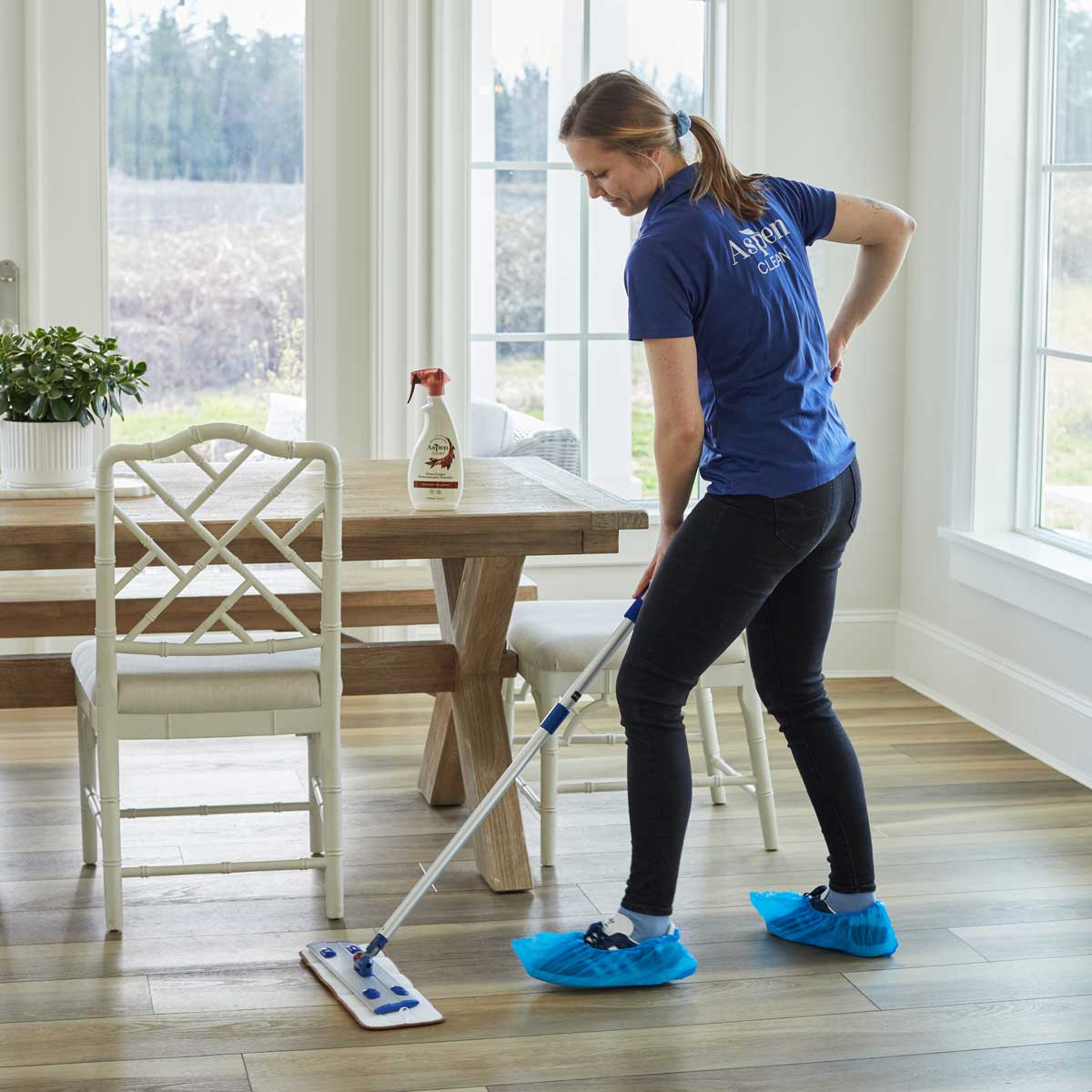
AspenClean cleaning Services
Our fully-trained, professional cleaning services teams will help create a sparkling clean home, the AspenClean Way. We are a premier cleaning company that offers cleaning service in Vancouver, Calgary cleaning services and also our cleaning service in Toronto. At AspenClean we believe a clean home or workplace doesn’t require harming the environment. Our professional cleaning services in the above areas include:
- House cleaning services
- Apartment and condo cleaning services
- Move in move out cleaning services
- Regular house cleaning and maid services
- Office cleaning services
- Airbnb cleaning services
- Carpet cleaning services
- Post-construction cleaning services
Learn more on our blog
View all-
10 Most Common Laundry Questions
You have laundry questions, we have answers! Several years ago, we decided that there needed to be a better product for cleaning clothes. Something that didn’t use potentially harmful chemicals...
10 Most Common Laundry Questions
You have laundry questions, we have answers! Several years ago, we decided that there needed to be a better product for cleaning clothes. Something that didn’t use potentially harmful chemicals...
-
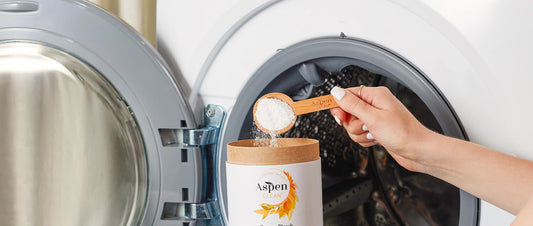
What is Oxygen Bleach and How To Use It?
Not all bleach is created equally What first comes to mind if you were asked to think about bleach? Is it the caustic odour, stained splashes on clothing, or a...
What is Oxygen Bleach and How To Use It?
Not all bleach is created equally What first comes to mind if you were asked to think about bleach? Is it the caustic odour, stained splashes on clothing, or a...
-
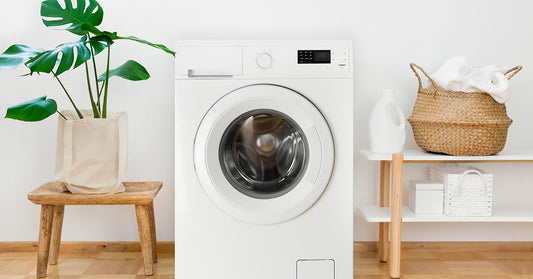
Laundry Pods vs Liquid Detergent
Not all dirt and grime is created equally. Anyone who has ever tackled a blood stain knows that ice works great at removing blood but it’s not going to work...
Laundry Pods vs Liquid Detergent
Not all dirt and grime is created equally. Anyone who has ever tackled a blood stain knows that ice works great at removing blood but it’s not going to work...


